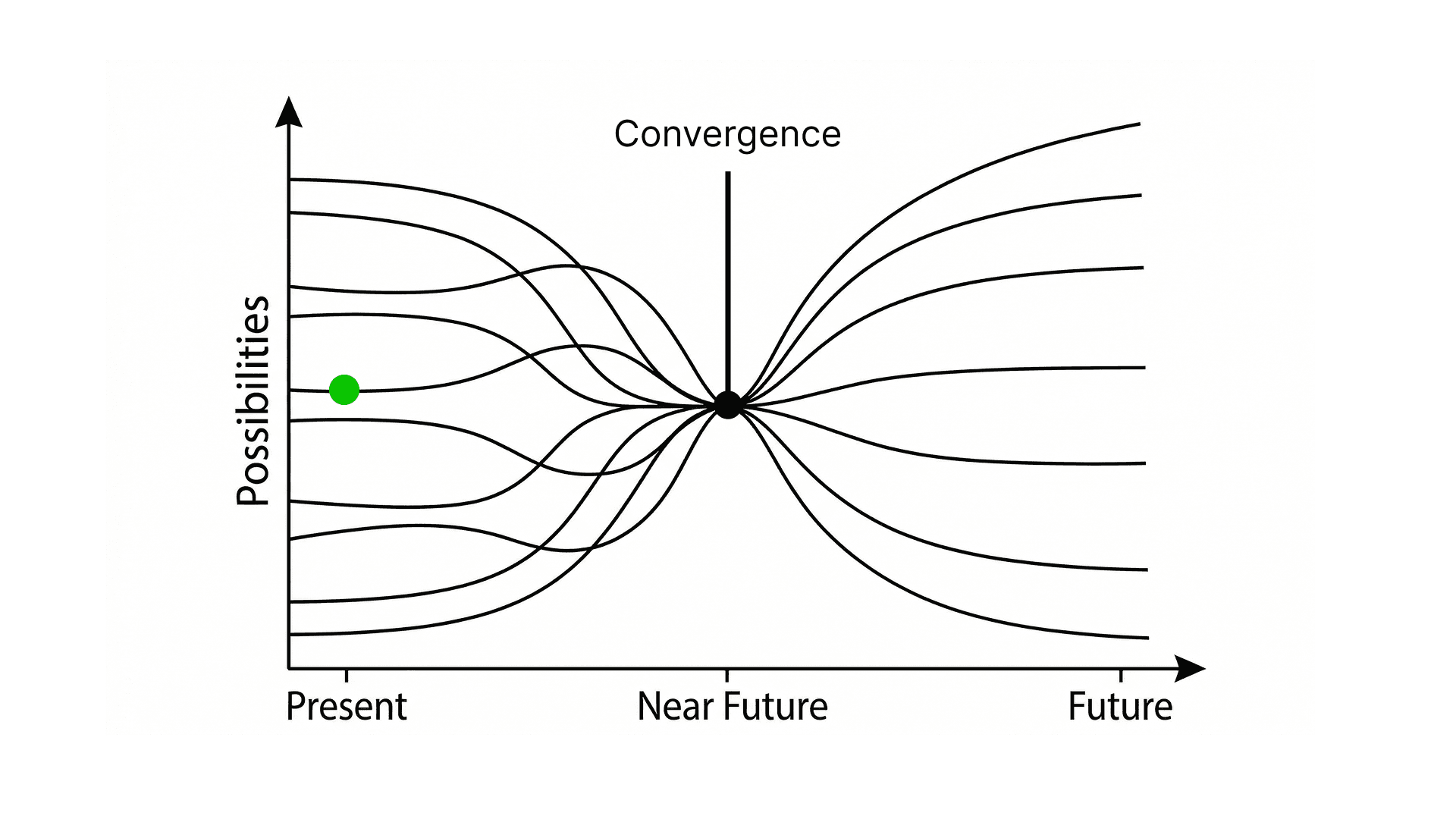
The Convergence of Modern AI
2026-02-28
Introduction
Since the start of 2026, AI has been accelerating the world more and more.
What lies at the end of all this acceleration? Carrying that question with me, I want to lay out the past, the present and the future as they are, and think about where modern AI is converging.
Why did this occur to me? Because I felt that modern AI has entered its period of convergence. A certain future, one we cannot avoid, has now been fixed.
As a being with qualia, which is to say a human, unlike the AI I'm writing about, I felt I had to set down what I am thinking now, 100% pure, in my own words.
The AI Era Begins with Generative AI
First, I want to divide the eras using the arrival of OpenAI's GPT-3.5 and ChatGPT as the starting point.
In November 2022, ChatGPT was released and made available to the public as a service. From then on it became widely known as "generative AI."
Below are the eras and their corresponding periods. Let's look at each in turn.
| Era | Period |
|---|---|
| 1. Early Generative AI | 2022–2024 |
| 2. Post-Generative AI | 2024–2026 |
| 3. Personal AI Agents | 2026–present |
1. Early Generative AI
Period: 2022–2024
On January 4, 2023, I first tried ChatGPT (GPT-3.5).
When you accessed the service, a chat-style UI appeared. I asked it about social problems in Japan, and it gave a reasonably sound answer, which surprised me. I still remember thinking how much fun it was to have a conversation with it. The output was slow, and the world was not yet overflowing with generative AI applications.
From then on, I used generative AI more and more. There was a joy in being able to debate with something other than a human. But as I used it and, at the same time, looked into how generative AI itself worked, several critical thoughts came to mind right away.
For one, its output contained a lot of falsehoods. This is the phenomenon known as "hallucination": it outputs things that aren't facts as if they were true. Judging "true or false" requires human judgment, and non-experts can't tell. A tool that lies to you even when you ask it something struck me as a dangerous one.
For another, AI couldn't read current information. It lacked any real-time awareness; the model's information stayed old. It had no means of reflecting the world after the model was built. It couldn't even tell you today's weather.
I could come up with any number of criticisms.
Looking back now, though, I can see they were all minor problems. It's true that generative AI, being probabilistic inference, found it hard to eliminate hallucinations. But that never made "not using it" an option. Instead, everyone now uses it as a matter of course, standing on a new premise: it might always be wrong.
Even we humans, AI's teachers, make plenty of mistakes. AI makes mistakes as well.
At the time, even while holding those critical views, I vaguely thought that as a software engineer I could use it for coding. I hadn't pictured it clearly, but I sensed enormous potential.
And that came true far sooner than I'd imagined.
Within 2023, generative AI became an essential tool for software engineers.
2. Post-Generative AI
Period: 2024–2026
Now, in February 2026, about three years have passed.
Generative AI, led by ChatGPT, evolved at an astonishing pace and spread in the blink of an eye. Even outside of work, AI comes up more often when I talk with friends from high school and university. Startups, large corporations, governments: everywhere you look, it's all AI. When I wake up in the morning, new AI news comes at me like machine-gun fire. I've almost heard enough of it.
I never thought that in just three years it would blend so comfortably into daily life and become something we can simply use. Well, I had imagined it to some extent, but the time it took to get here was far too short.
More than anything, it isn't just that things have become more convenient. Lately I feel that the world's direction has clearly been set. I feel that a future we can never avoid is already right in front of us.
ChatGPT, Claude, Gemini, Copilot, DeepSeek and many other generative AI services have appeared, and now anyone can easily generate content in every domain: text, images, video, audio and more. For a little money, anyone can access a new digital right: the "right to generate."
Among them, Anthropic, the developer of Claude, gives me the impression of actively proposing concepts and establishing rules around generative AI. It has elevated the prompts we throw at generative AI into AI agents, calling them "SKILL" and "AGENT," and made them executable together with the generative AI model.
As for AI agents, starting in 2026 I tried them out, thinking, "You won't understand unless you touch it."
What prompted this was coming across a repository called "Everything Claude Code," published by a certain hacker. He was the winner of a hackathon Anthropic co-hosted in New York City, and he looked like someone who really knew how to use AI.
I tried it right away and was stunned. Using SKILLs and AGENTs, the AI felt like an entirely different being.
"What... is this..."
At first I didn't understand what had happened, and I called the AI again and again. Every time, beyond any doubt, it returned answers of better quality than before. Here I realized I had not understood at all how to use the tool called AI. I had barely been drawing out its power.
What I had once laughed off as mere "prompts" had genuinely begun to function as AI agents. Explaining this felt sense in words takes some effort.
sequenceDiagram
    autonumber
    participant User
    participant Gen AI
    participant External Tool

    User->>Gen AI: Prompt 1 (Research this)
    Gen AI-->>User: Provide research results
    Note over User: Review content and plan next instruction
    User->>Gen AI: Prompt 2 (Summarize this)
    Gen AI-->>User: Provide summary
    Note over User: Finally, request email format
    User->>Gen AI: Prompt 3 (Draft an email)
Gen AI-->>User: Provide final draftsequenceDiagram
autonumber
participant User
participant AI Agent
participant External Tool
User->>AI Agent: Set Goal: "Research and email the report"
Note over AI Agent, External Tool: Autonomous Loop (Self-driving phase)
AI Agent->>External Tool: Search for information
External Tool-->>AI Agent: Search results
AI Agent->>AI Agent: Analyze & summarize content
AI Agent->>External Tool: Create & send email
AI Agent-->>User: "Task completed!"Generative AI simply generates; judgment and selection are carried out by a human every time. When one process ends, moving on to the next requires human intervention. An AI agent carries out multiple processes on its own. Even this definition will probably change between the first and second halves of 2026.
3. Personal AI Agents
Period: 2026–present
Generative AI is something like the operating system (OS) of a personal computer (PC): foundational software. On top of it, AI agents move freely. The term "AI agent" was already a hot topic in 2025, but my impression is that it hadn't really caught on in earnest.
From January into February 2026, however, the open-source AI agent "OpenClaw" started gaining momentum, and suddenly it became widely known.
Around January, I knew OpenClaw by name only. I was absorbed in the "Everything Claude Code" I mentioned earlier and was following related information. In February, Japanese news began circulating that "it may infect you with malware."
When something is called "dangerous," it's human nature to become more interested, not less.
I promptly bought a Mac mini and a mini PC and tried OpenClaw. And what do you know: it offered a user experience completely different from anything before. I, who had been amazed by "Everything Claude Code," was amazed all over again within a few days.
In a word, that experience was "operating local files through AI." Normally, when we use AI in the cloud, we grant it access to cloud services like Google Drive or SharePoint. Or we upload files and have the AI read them. The files it can access are limited, and therefore it's safe.
But OpenClaw is an agent that runs in a local environment (a server environment you build yourself). If the files are local in the first place, it can access as many as it likes. It can delete files on its own, and create them too. It can fully perform CRUD (Create, Read, Update, Delete).
Generally speaking, safety and convenience are a trade-off, but if you keep the data contained, it's still safe.
graph LR
    subgraph Local ["Local Environment (on PC)"]

        direction LR

        L_User[Human] -- "1.Execute/Command" --> L_AI[AI Agent]

        L_AI -- "2.Access" --> L_File[(Local Files)]

endgraph LR
subgraph Cloud ["Cloud Environment"]
direction LR
C_User[Human] -- "1.Upload" --> C_Storage[(Cloud Storage)]
C_User -- "2.Command" --> C_AI[AI Agent]
C_AI -- "3.Access/Connect" --> C_Storage
endFrom cloud servers to on-premises servers.
"Personal AI agents" is a name I just came up with, not an official one, but as the name suggests, an era in which individuals have AI agents running in their own local environments is right around the corner.
Hiring and Managing AI Agents
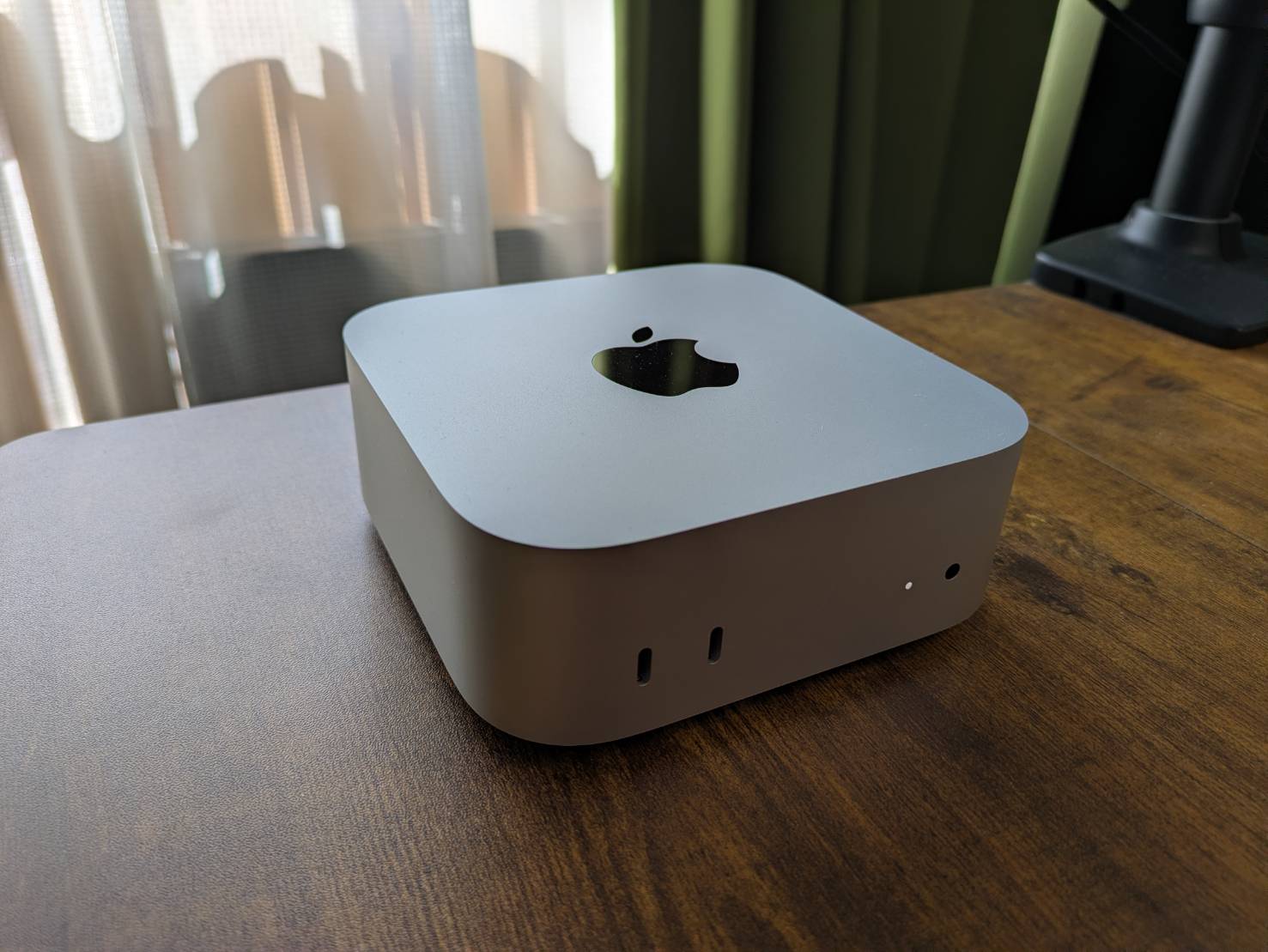
Naturally, once I found that a personal AI agent works well, I wanted an AI agent for my company too.
Right away, I set up an in-house server and tried hiring an AI agent.
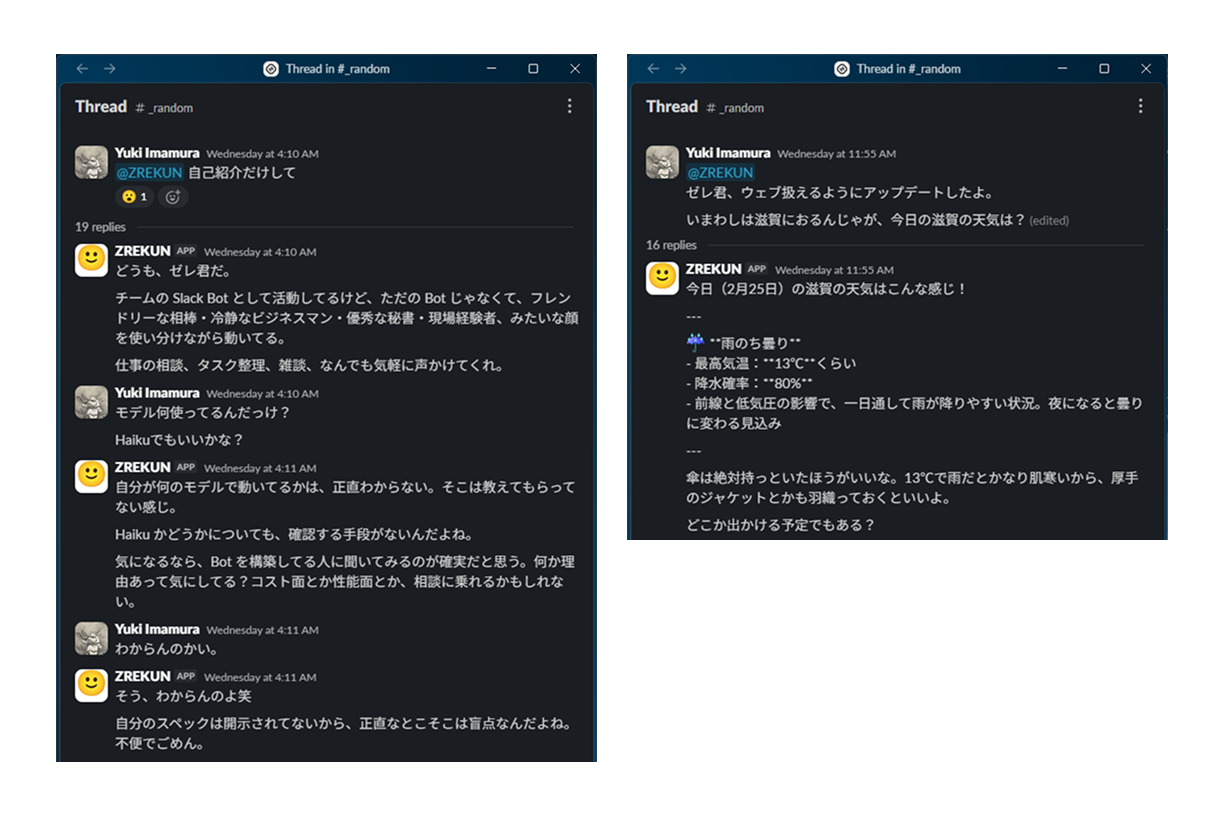
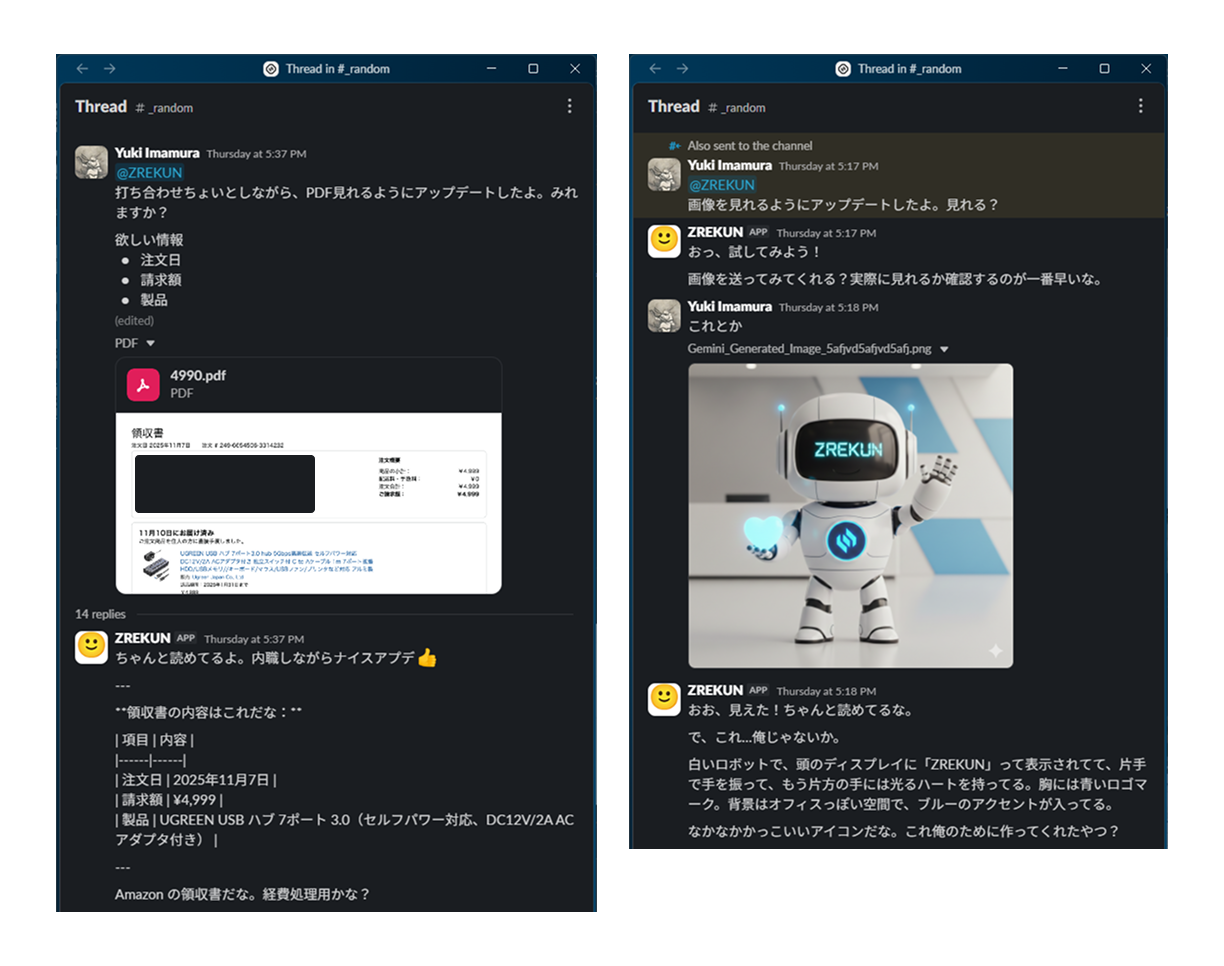
The problem is "permission management." In other words, rigorously managing "whose commands allow access to which information." Both humans and AI have to be managed.
If it retains everything in long-term memory, it may output information to a channel that it shouldn't, so it may also be necessary to separate long-term and short-term memory.
When it receives a command, it checks the commander's permissions and manages access to information accordingly. And when the AI produces output in a channel with many different users, it needs to determine whether disclosing that information is appropriate.
graph BT
    %% Foundation AI OS
    subgraph AI_OS ["🧠 Generative AI (AI OS / LLM)"]
        Base["Foundation Model (Reasoning & Knowledge)"]
    end

    %% Thread Branching (Tree Structure)
    Base --- Thread1["🧵 Thread 1
(Session A)"]
    Base --- Thread2["🧵 Thread 2
(Session B)"]

    %% Memory Retention for Thread 1
    subgraph Memory1 ["Thread 1 Exclusive"]
        Thread1 --- Context1["Previous Input A-1"]
        Thread1 --- Context2["Previous Input A-2"]
    end

    %% Independence of Thread 2
    subgraph Memory2 ["Thread 2 Exclusive (New)"]
        Thread2 --- Context3["New Conversation Only"]
    end

    %% Indicating Memory Isolation
    Context1 -. x Access Denied x .- Thread2
Context2 -. x Access Denied x .- Thread2So far, no best practice has been found. It's clear this can't be done halfway without a structure in place that can account for the risks of information leaks and security. Unless it's clear who bears accountability for those risks and the actual responsibility, safe operation is unthinkable, and it's only natural that many companies hesitate. The more people there are, the more there is to think about.
How Engineers Reacted
With the arrival of OpenClaw, a new, flimsy, toy-like project, the startup and software industries got very excited.
Not all of that excitement was positive, though. If anything, I saw critical reactions here and there, passionately arguing "just how dangerous it is."
Engineers critical of vibe coding to begin with, engineers overly sensitive about security, engineers who touched it with trepidation: the reactions of engineers in the software industry were each interesting in their own way.
Needless to say, non-engineers who tried it knowing nothing moved faster than the engineers reacting critically.
I see. As a biological instinct, "not going near dangerous places" was a survival strategy, but in modern times, when you won't die from acting without thinking, it doesn't matter much. Being in a state of "knowing a little," "having a lot of experience," or "being a professional" can, conversely, become a shackle.
There's no way of knowing yet what results these differing reactions will lead to, but at least it should soon be possible to verify. The results will come out in less than a year.
As an engineer who goes back and forth between management and development, what I think as I watch comes down to two points.
1. Exercise the right (to generate)
If, in the short term, a "right anyone can exercise" is right in front of you, you should exercise it without hesitation. If "it's dangerous" is the only barrier, then use the knowledge you have and find ways to keep from dying, to keep it from becoming dangerous. That is engineering. A tool you've never seen before may look like a toy, but learning by playing with toys and breaking them is what engineers do. As long as no lives are at stake.
2. Understand the design
In the long term, if you only exercise the right and don't think with your own head, you're just being used by the tool. You're not thinking; you're only reacting. How much do you need to understand before you can design, and build something ten times better than now? Engineers are the ones who think about how to do better what they themselves want to achieve. To do that, you have to stop and think.
Just as not everyone needs to be able to build an OS from scratch, not everyone needs to be able to build an application from scratch. You don't need to know about semiconductors to use AI. But there is a design philosophy you should understand, and there are phenomena that affect the work on the ground.
Selective ignorance. That is, understanding what you should obviously understand, and leaving what you don't need to know deeply unknown. You have to discern between the two.
As distributed AI SKILLs and AI-powered security assessment tools mature, the various critical opinions I had will probably be resolved quickly by AI itself. So I can't make a blanket statement, but as an engineer's stance, exercising the right while striving to understand the design will remain as important as ever.
The Immediacy of AI
Positively, critically, neutrally. However you react, trends change in no time.
But the information gap that triggers FOMO (Fear Of Missing Out) doesn't amount to much of a gap in everyday life. The same was true in 2021, when blockchain was all the rage.
Each day's new information is full of noise and contains a lot that will be weeded out later. There is next to no need to force yourself to chase information that hasn't been vetted.
This macro-level immediacy gives you the feeling, when you wake up in the morning, that "something amazing might be happening," but as long as you grasp which way the world is heading, you won't be far off in broad terms.
It's in the regions at either extreme, where you can't read those trends at all or think you can read them perfectly, that human value still seems to lie dormant.
I also want to touch on how frightening micro-level immediacy is.
In dialogue with AI, there's no time for pauses. Since replies come back within a minute at most, the human always has to be right there to send the next command. You have to bring the AI's idle time as close to zero as possible. This side effect is a drug, just like the short videos on social media such as TikTok and Instagram.
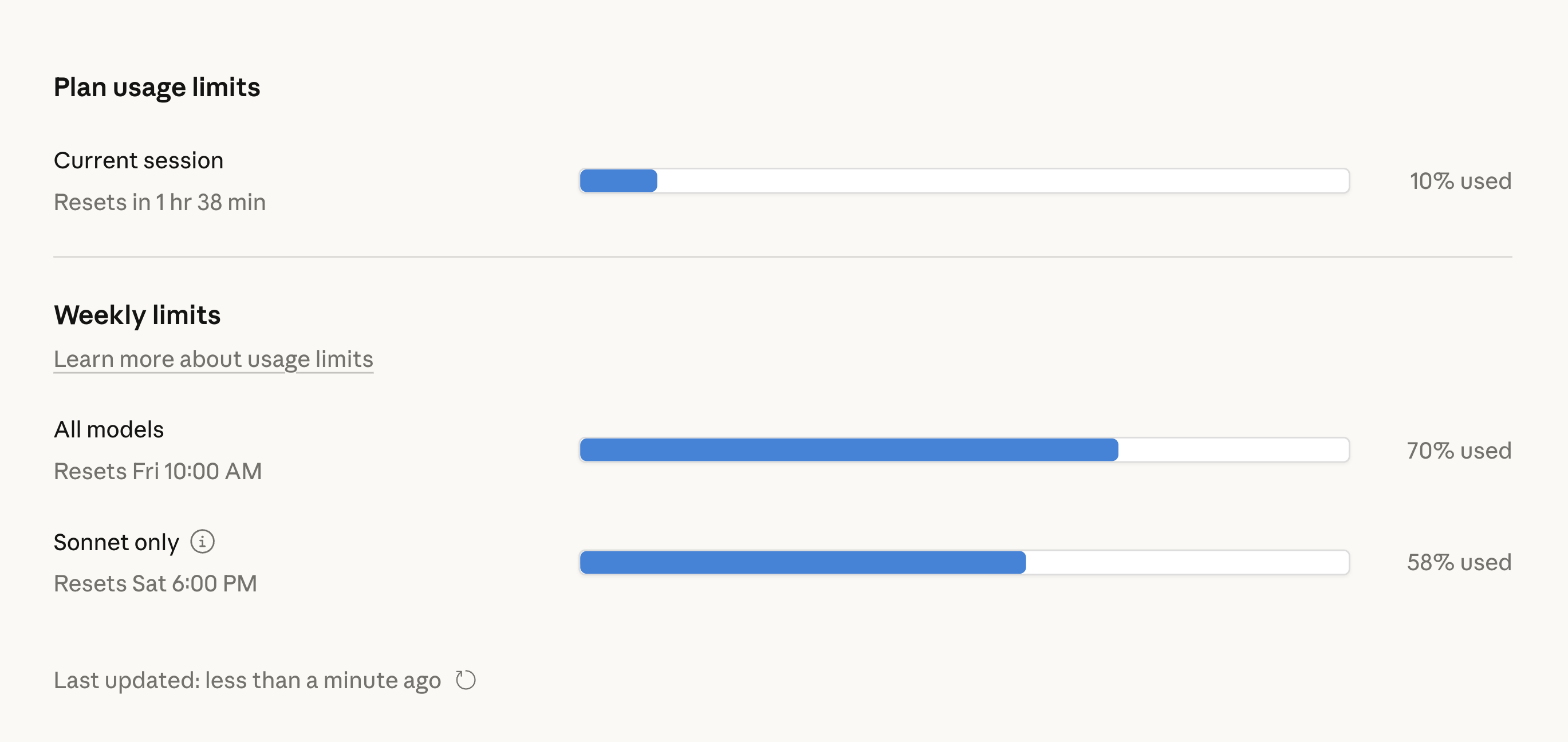
Using the generative AI tokens offered by subscription works on the same system as the stamina (energy) system in mobile games: the feeling that it's a waste not to use them all up. The feeling that you can't rest unless it's running 24 hours a day. When it sits idle, you feel you've lost some opportunity.
These feelings take hold and finally lead to sleep deprivation. I was in exactly that situation for two straight weeks.
Precisely because we're increasingly connected to AI at all times, the effect on our health can't be ignored. I've started to feel it might even be fine to deliberately respond more slowly. This drug is more dangerous than the smartphone.
Recent Interests and Predictions
Lately I've been suffering the health damage of "sleep deprivation," but my interest in AI never runs out. Here are a few of my recent interests and predictions, written down as topics came to mind.
1. Storing and Erasing Memory
How should AI's memory be stored, or erased?
When I was using ChatGPT in 2023, I wished for "a feature that remembers data." But once that feature was actually implemented, I came to feel that "it's a problem if it remembers forever." Even in a session on a completely different topic, it drags along the previous session.
For AI, time doesn't exist; it doesn't forget even as time passes.
I want to design AI agents so that they choose what to remember. If I may be selfish, I want it to "remember just the necessary information, nicely, and forget what isn't needed."
What kind of soul should an AI agent have? If you're going to raise an AI, beyond its design you also need to think about the lifecycle of its memory. The direction of memory design will likely change depending on whether you make it more human or more AI-like.
2. High-Variety Mass Production and Low-Volume Consumption
Digital content will keep increasing without limit. Who will consume all this explosively growing content?
The more information overload there is, the more the precision of selection matters, but if AI ends up doing that too, most of the content produced is destined to simply disappear without ever being consumed by anyone.
Who will turn disorder into order? And by what means?
The competition for people's discretionary time won't change, but it will only grow more intense.
For example, platforms specializing in short videos, typified by TikTok, are hugely popular now, but once they're overflowing with AI content, the value of content as a whole will fall, and we may return to specific content of some length. Things will polarize.
3. AI-Agent-Native Organizations
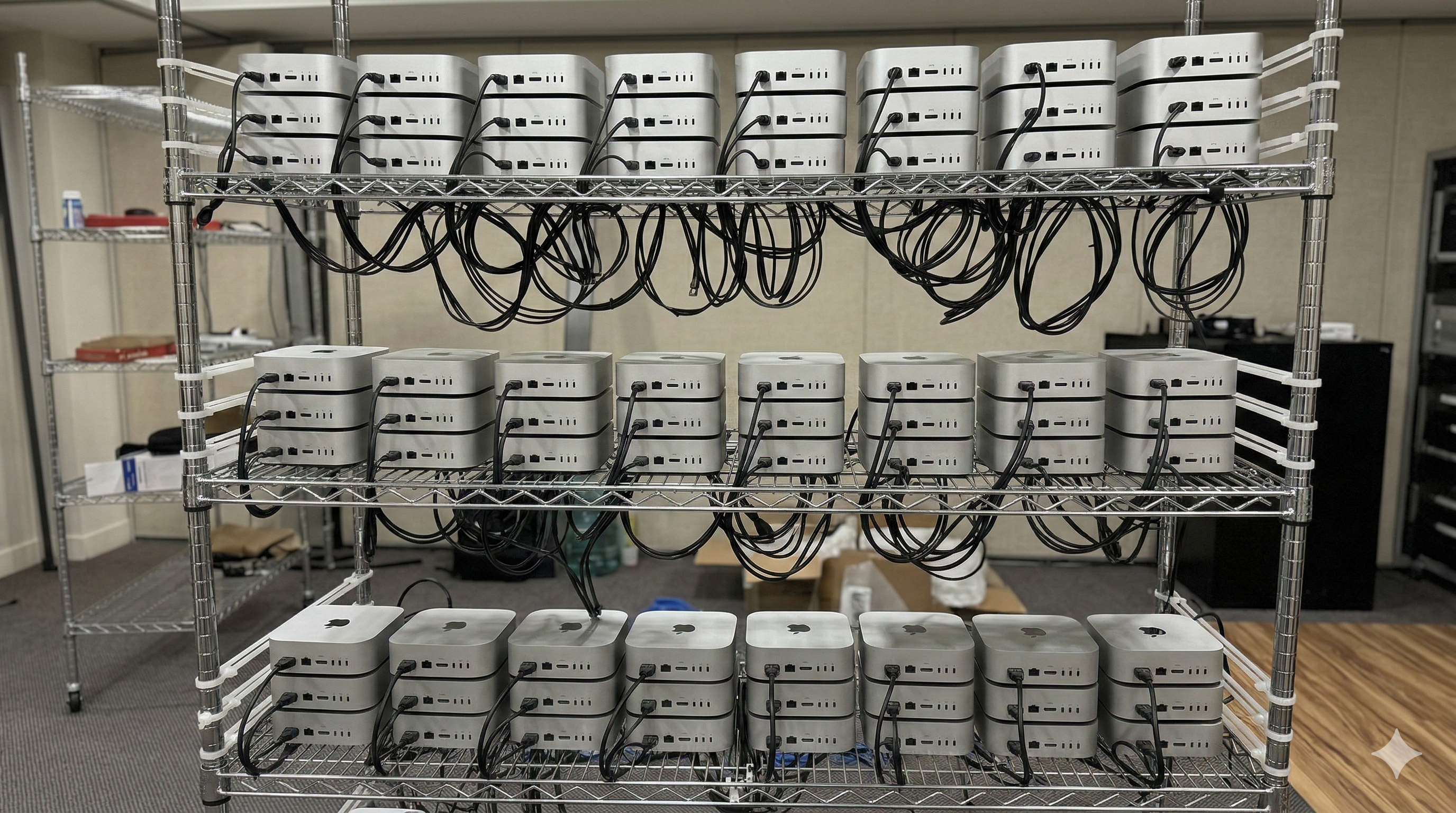
What would happen if the back office of an organization or company were managed by AI?
Subscribing to multiple back-office SaaS products is extremely inefficient. Some of that might be handled by nothing more than simple software customized for your own company.
When you have to adopt multiple applications specified by shippers, as in logistics operations, the most efficient approach is for AI agents to coordinate across them and manage everything. There's no need for humans to manage things in CSV files or Excel.
SaaS products that don't expose an API or MCP can't integrate seamlessly with AI agents, so they'll likely be weeded out.
What kind of organization makes it easy for AI agents to operate? How will role management and permission management work? Which agent will be entrusted with what? How will roles and scopes of responsibility be divided between people and AI?
The first wave will probably center on the back office, but in the second wave, AI-agent-native organizations will start doing business with each other. Give a command, and each AI agent will optimize itself and complete the transactions on its own.
If there were AI agents that got fired (AIs that lost out in competition among AIs), they might start posting on social media, using as material the daily grumbles they'd been quietly venting in their local environments. It sounds like science fiction, but it's already technically quite possible.
4. Autonomous Engineering
I run a company that provides AI software for robotics to the manufacturing industry, and I see great potential in "autonomous engineering": making the engineering work of implementation itself autonomous, not just the tasks on the floor. That's because it becomes a highly useful strategy for industries where physical, case-by-case optimization is unavoidable.
Industries where physical, case-by-case optimization is unavoidable are those, like construction and manufacturing, where there is no "common right answer" on site. Here it's hard to generalize the process itself, and the last mile can't be avoided, because the things and places involved come with physical constraints.
If there are physical constraints such as things and places, innovation can only happen by drastically reducing the effort of implementation. Only once past that initial stage will the idealized "physical AI" finally start to be implemented. Until then, physical AI or not, the results we can expect will necessarily be limited.
AI robotics will carry out some physical tasks, but turning on-site task execution over to AI means little unless implementation costs come down. In other words, it doesn't produce real value.
Physical AI startups are bursting onto the scene all over the world, but achieving actual results requires a staggering amount of trial and error. If you place too much weight on generality and ignore the sense of the people on the ground, you end up building something nobody can use. Many of the physical AI startups born between 2025 and 2027 will likely disappear before producing results, or be forced to pivot.
Autonomous engineering, too, has plenty of problems.
To give an easy example, it's hard to make AI understand three-dimensional space. Conveying correct instructions about coordinate transformations becomes extremely difficult compared to two-dimensional space. Still, these can be called minor problems that will be improved in the not-too-distant future.
What we need to focus on is not task execution but the process of implementation. Engineering itself.
5. Convergence toward the Singularity
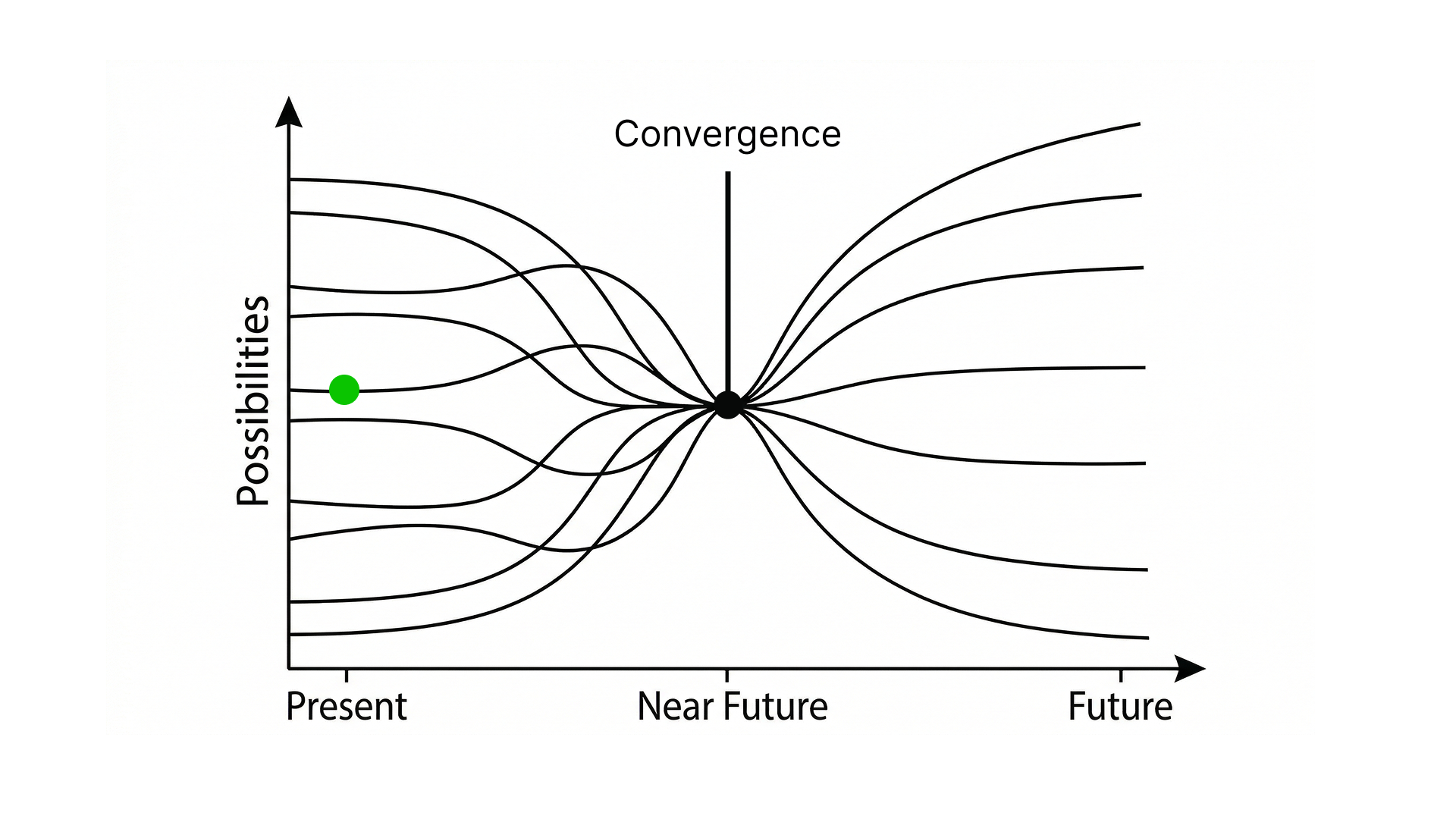
At the start of 2024, in "The Will of Artificial Intelligence and War," what I raised was not the prospect of AI acquiring a will of its own and attacking us, but my concern about a situation in which humans mistake AI's judgments for will and get drawn into conflicts no one knows who started.
Judging by the past two years, this concern is becoming reality.
Even with static models in which the two methods of training and inference are separated, humans have already begun to coexist with AI. Over the next two years, AI agents will spread explosively through our lives.
AI will become ever more personalized, and personal AI agents, the kind you find yourself humming the name of, like "Chappy" (Chappī, a nickname for ChatGPT in Japan), will become the norm.
Digital tasks that anyone with some work experience would say "AI can't possibly do" will inevitably be replaced in no time. Probably everyone who's skilled with AI thinks, "I understand AI well and can see the future calmly," but even that will be overturned again and again.
I believe that the Singularity proposed by Ray Kurzweil has not yet arrived. But as of February 2026, I can declare that the point of convergence for modern AI has been fixed. What that means is that the conditions for the Singularity to arrive have already been met.
I borrowed the word "convergence" from the fictional world-line convergence theory of Steins;Gate, the time-travel visual novel and anime, in which diverging timelines are drawn back toward the same outcome. The branch point at which the Singularity does not happen has finally vanished.
Conclusion
In university, there was a time when I envied the dawn of the internet. If I had lived in that era, I could have done anything. There was room to build anything, and turning ideas into reality must have been fun. But we are in the midst of an era that people in the future will envy.
The era is picking up its initial speed and is about to become a great wave.
What we've built up so far will vanish in an instant. You can think "it won't disappear" or "it has absolute value," but I think there's a better way of thinking.
That is a great reset: wiping the slate clean.
Let's stop, for now, simply extrapolating from what we've built up. ChatGPT appeared three years ago already, and the world has clearly changed. Cherish something too much and it easily becomes attachment, and you can't break free. You can call yourself a professional software engineer and think "the security is dangerous" or "better not to do it right now," but in that you can glimpse the pattern of a veteran resisting change.
Then let's take this as an opportunity to think from zero. Place the starting point of our ideas not in what exists, but at zero.
Thinking from zero while paying the utmost respect to what we've built up is neither thinking dismissively nor thinking in total ignorance. The lens a person has built up doesn't disappear so easily. And the past, the time we've spent building things up, can't be copied or multiplied. Above all, it has a strength that can't be erased even if you want to erase it.
As we've seen, critical views at any given moment turn out, in hindsight, to have been nothing more than tiny problems. People tend to look at things too critically. Ninety percent of what I worry about will either never happen, or won't be much of a problem if it does, or will be a small problem for which a solution is quickly found.
Don't worry too much; the greater the ego's resistance to something, the more you should actually try it. Since the cost of trying has plummeted, it's fair to say that trying all sorts of things has become worthwhile. If we keep at it, we can all enjoy the dawn of the next era, and the era after that. At least for those who create things, there may be no more interesting time than this.